
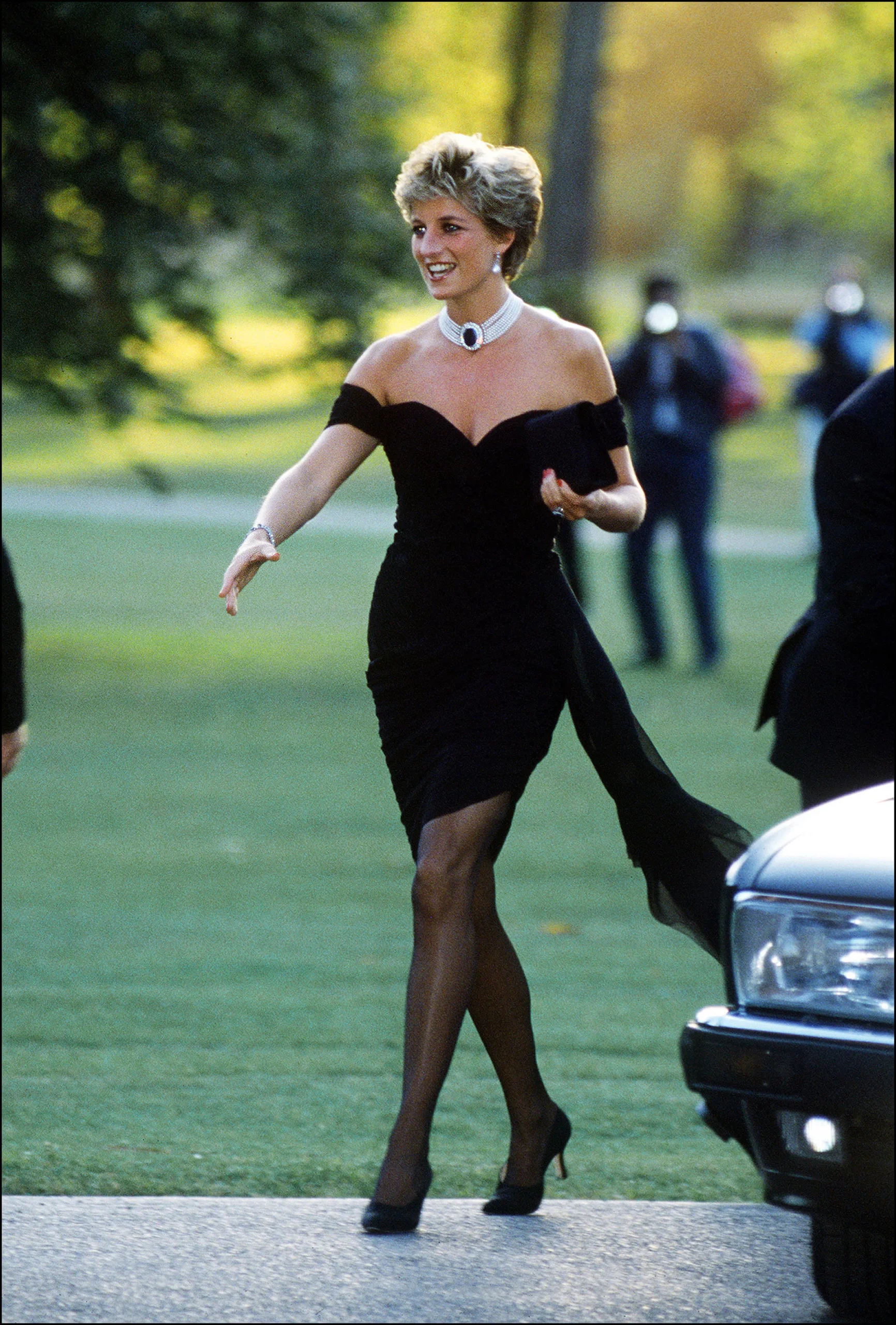
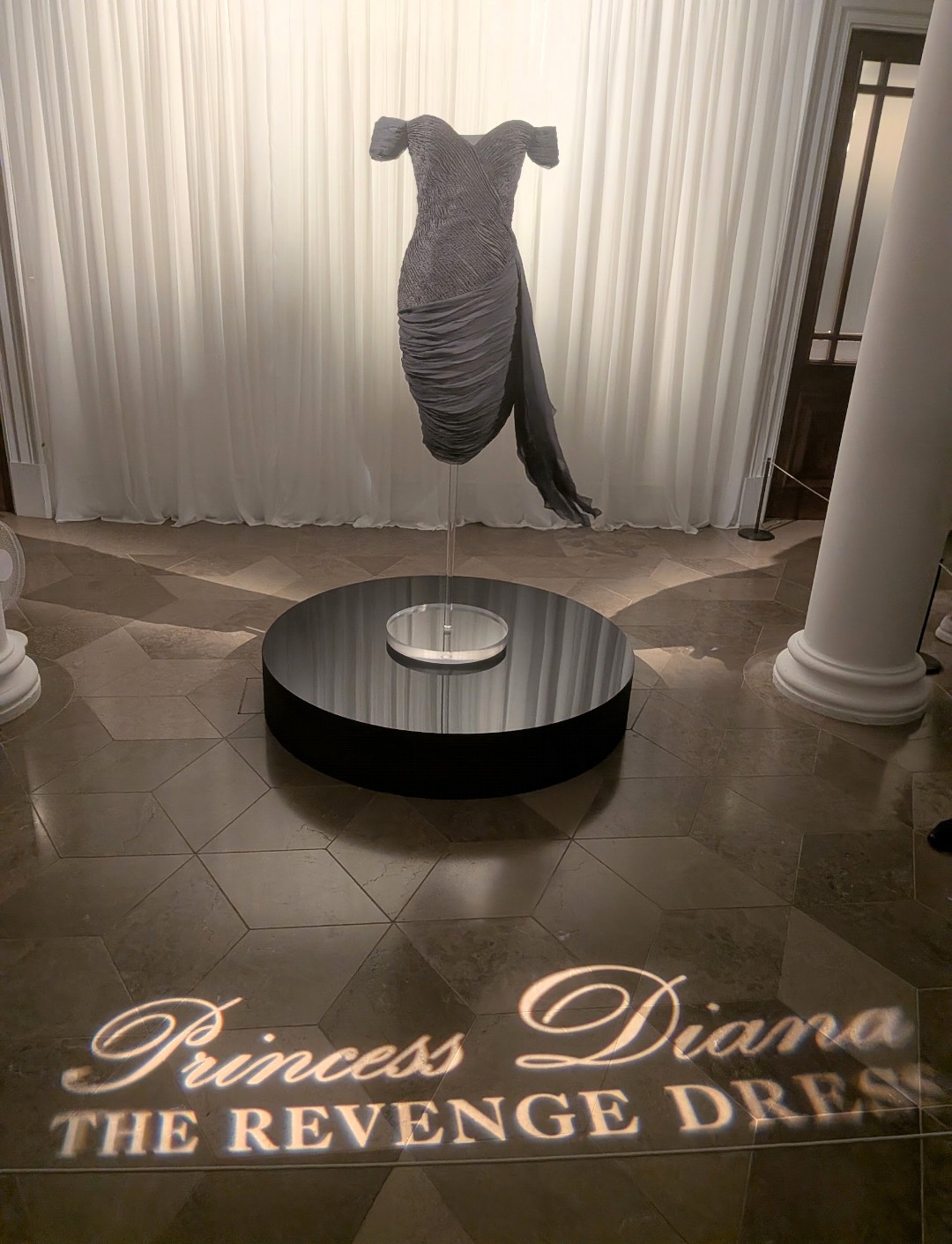
The moment was like no other. I had arrived expecting the worst, anticipating endless lines and having been warned that it could take hours just to step into the showroom. Instead, luck was entirely on our side. We were escorted straight into a relatively empty room. It felt less like a public exhibition and more like a private, exclusive viewing. The space itself was incredibly peaceful, yet with that single dress positioned directly in the center, the room felt instantly regal, echoing with an enormous, silent gravitas.
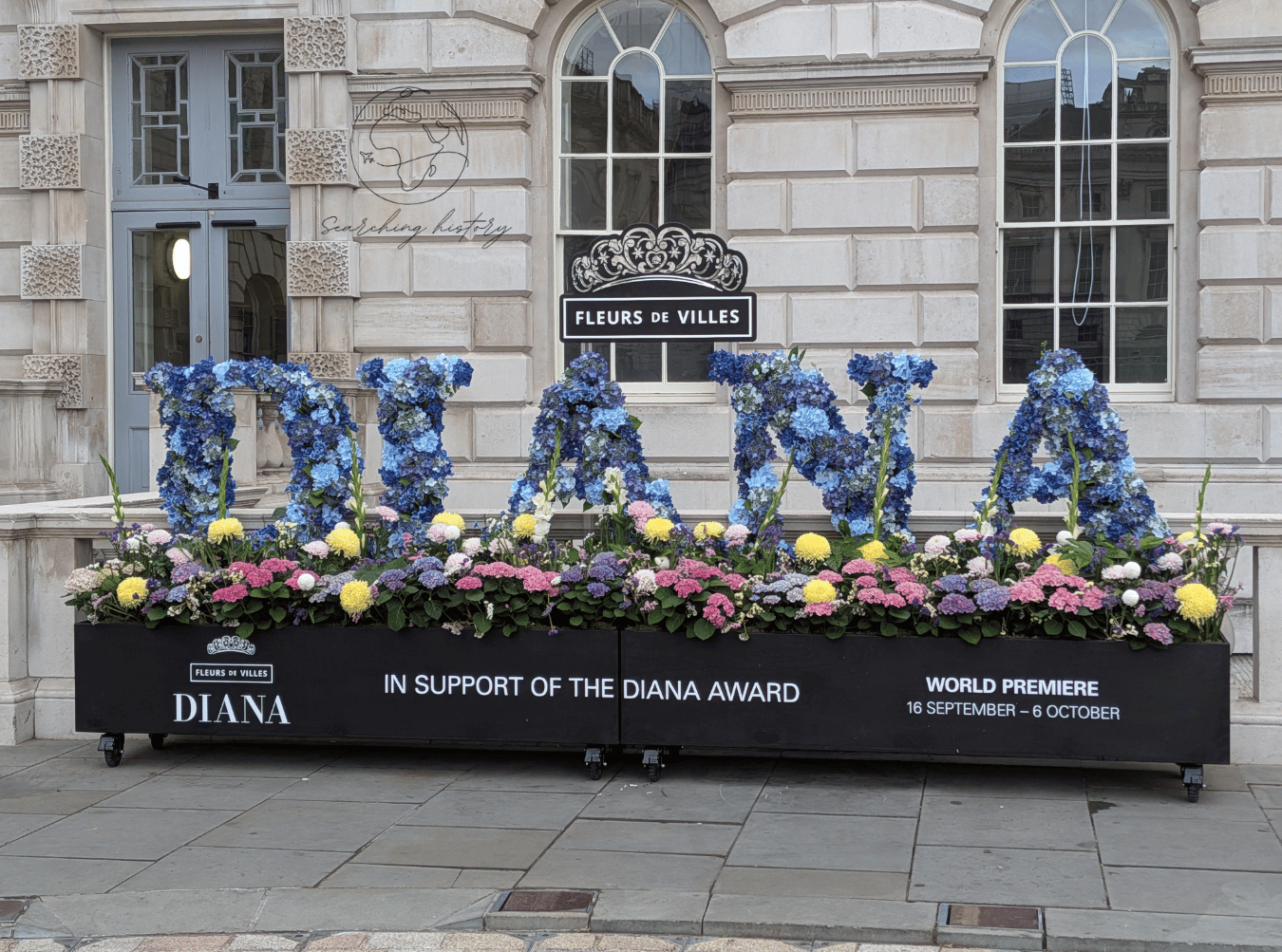
This quiet curiosity often draws me out onto the streets of London. You can visit Kensington Palace, where she once lived. Although you cannot access her private apartments, you can see her portraits, hear staff stories about what she was truly like, and view the stunning bronze statue her sons dedicated to her memory in the Sunken Garden. You can walk past the Earl’s Court flat she lived in before marrying Charles, or follow the Diana Princess of Wales Memorial Walk, a seven mile trail that follows Alec Peever’s elegant ground plaques through Kensington Gardens, Hyde Park, Green Park, and St. James Park, brushing right past Buckingham Palace. In Notting Hill, Cafe Diana stands packed to the brim with photographs and nostalgic memorabilia. And, of course, you can sit upon the grand steps of St. Paul’s Cathedral, the very same ones she walked up in 1981 to become the Princess of Wales.
In that spirit, I often go to the National Portrait Gallery and sit near her portrait. It is a simple portrait; the Princess casually sits in a chair, smiling at the viewer. If you look closely, you can see where it was once patched after a protester slashed it with a knife back in 1981. She is located near the rest of the Royal family. There are photos of the Queen and her animals, portraits of her and her heirs, including William and Harry, and photos of the Queen Mother alongside a young Princess Elizabeth and Princess Margaret. But, perhaps unsurprisingly, Diana drew the most attention.
Many study her in quiet contemplation, snap photos to capture the moment, or strike up hushed conversations with total strangers, anchored by a shared need to speak her name. One woman softly recounted how she had been scheduled to work on the day of Diana’s 1981 wedding to Prince Charles. In an era before smartphones and live streaming, her small shop didn’t even have a television. Yet, refusing to let the historic moment slip by, her boss had gathered the entire staff tightly around a crackling transistor radio, where they stood in rapt silence just to listen to the broadcast of the momentous event.
The conversations around the small area always ebb and flow through the multi-faceted layers of her life. They speak warmly of her radical kindness and her groundbreaking activism, their eyes generally softening when discussing her children, before the tone inevitably shifts to the heavy weight of her trials and tribulations.
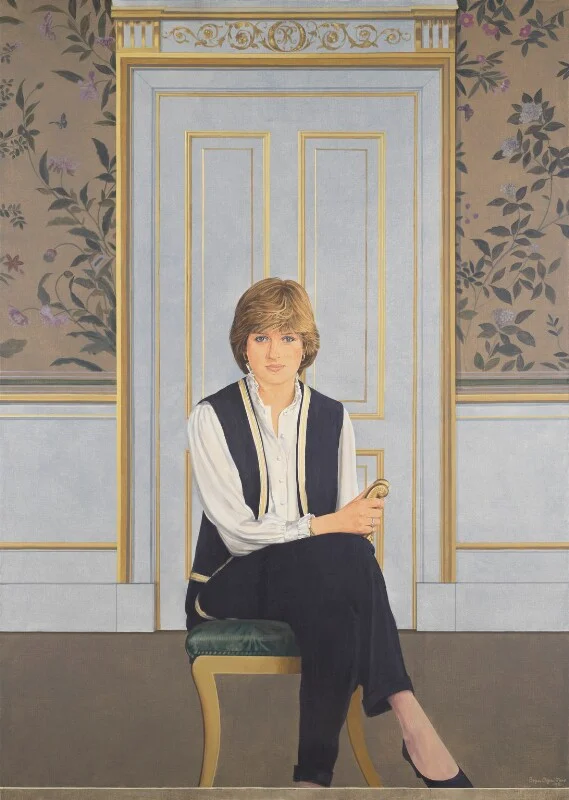
Beyond all doubt, the most moving moment came without any words at all. The atmosphere shattered entirely when an older gentleman turned the corner into the gallery room. The moment his eyes landed upon the Princess’s portrait, it was as if he had been struck by lightning. He reached both hands out toward the canvas, fingers trembling, as if trying desperately to bridge the gap of time and touch her. Standing right there in the open gallery, he began to sob uncontrollably. It was a staggering, heartbreaking sight to see; a raw manifestation of a grief that thirty years has done nothing to erase.
Such sights are not few and far between, but each one of them is beautiful to behold. The spirit of Diana is alive and well throughout London; in the places she frequented, the lives she altered, and the quiet lessons she still teaches. Her presence echoes in the very words that united a grieving world three decades ago. She remains “England’s rose,” a figure who “called out to our country” and “whispered to those in pain.” Even now, it feels as though her footsteps can still be heard falling along London’s bustling streets and “England’s greenest hills.” She was a nation’s, and perhaps the world’s, “golden child,” and walking through the capital city today, you can still feel the void left by a country “lost without [her] soul,” deeply missing the “wings of [her] compassion.”
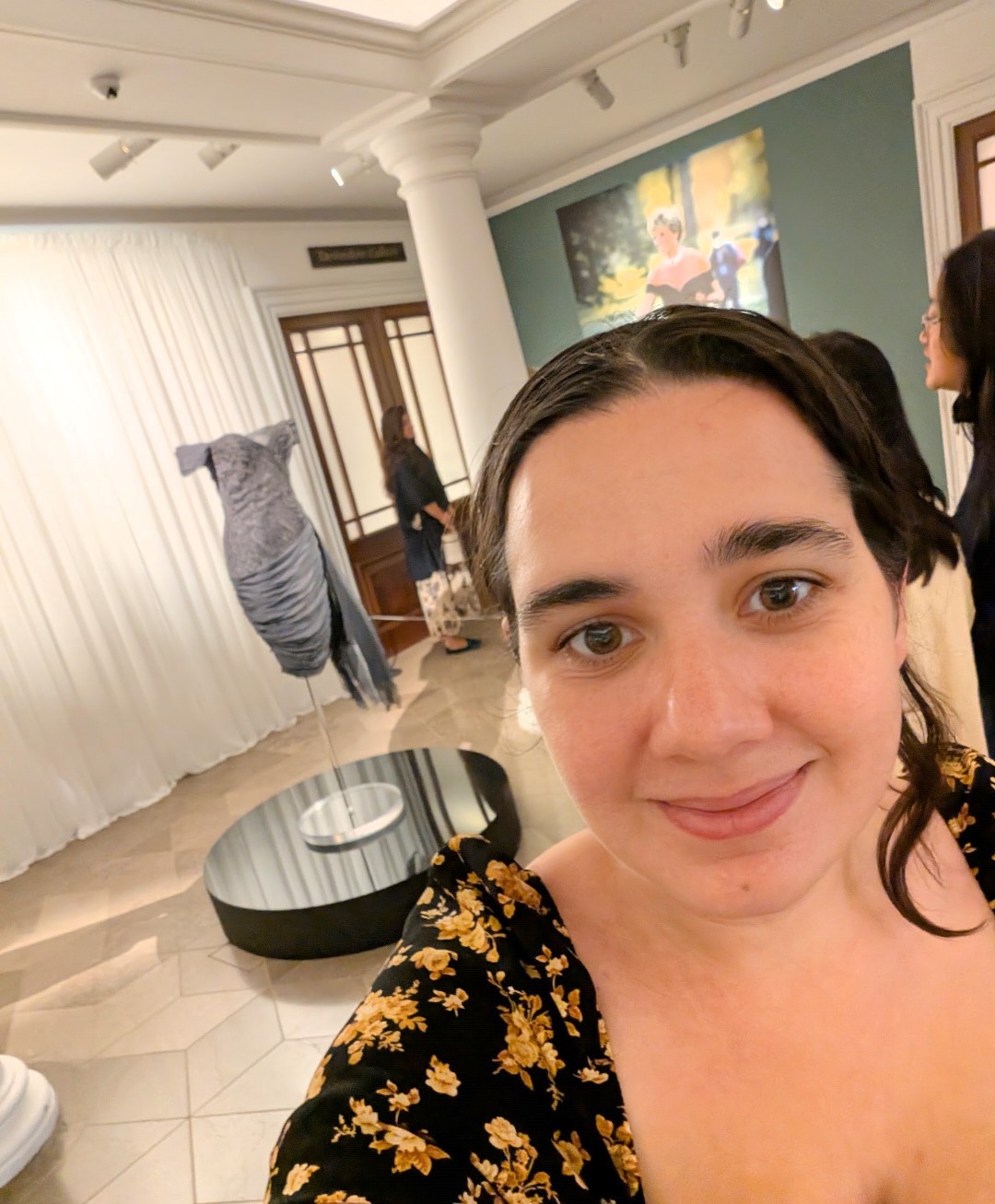
The “Revenge Dress” will soon cross the Atlantic to be auctioned off to the highest bidder at Sotheby’s New York. It feels like a bittersweet full circle; back in 1997, Diana herself put the dress up for auction to fund cancer and AIDS charities, momentarily giving it away to the world. Now, it is bound to become yet another artifact of the People’s Princess’s collection to be locked behind the vault of some anonymous millionaire, and this time only an undisclosed percentage will be donated to charity. Maybe its new owner will generously put it on public display, maybe a celebrity will attempt the impossible task of wearing it, or maybe it will vanish from the public eye forever.
Whatever the hammer brings, I know that I will always cherish the stolen hour I lived alongside it. Long after the dress is packed into a crate and flown away, I will remember standing in front of living history on Bond Street. I will remember the warm smiles of the Sotheby’s London security guard, eagerly beckoning me to come closer and ensuring that I knew I could walk around him to see the back of the dress. I will remember the strange, electric feeling of proximity to an icon I have admired for as long as I can remember. I will remember the quiet joy of sharing that singular moment with my partner, and of calling my mom to excitedly squeak out the story of what I had just seen. Millionaires can buy the silk and chiffon, but they cannot buy the stories that are inevitably intertwined with it.
Next year it will mark exactly thirty years since Princess Diana’s tragic passing, and the world she left behind is still trying to define her legacy. As I look back on the city she left behind, and the people who still reach out for her memory, the answer seems beautifully simple. Perhaps, most importantly, she remains a symbol of peace and love, with a spectacular touch of revenge.